Understanding Player Motivations
The psychology behind why players choose specific casino games often stems from their personal motivations and distinct preferences. Many gamblers are driven by the thrill of potential rewards, which leads them to select games that promise higher stakes or larger jackpots. For instance, those who embrace risk-taking may gravitate toward games like poker or high-stakes blackjack, where skill and strategy can influence outcomes. Interestingly, some players look for platforms that provide a smooth experience, making the fast withdrawal casino uk an appealing option for those wanting quick access to their winnings. On the other hand, players seeking a more relaxed experience may prefer games of chance, such as slots, which offer lighter engagement and simpler rules.
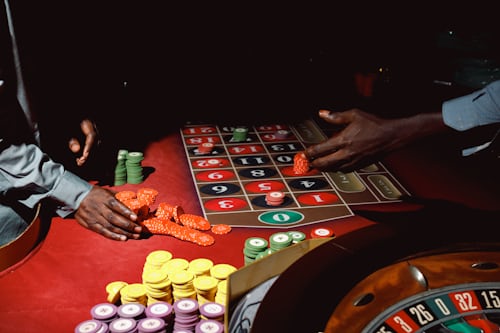
Another key factor influencing game choice is the social environment provided by casinos. Many players are motivated by the desire to connect with others, whether through competing against fellow gamers or engaging with dealers. This social aspect can greatly sway game preferences, encouraging players to opt for interactive games like roulette or craps over solitary games like video poker. Understanding these communal dynamics is essential for gaining insight into the choices players make when they enter a casino.
Moreover, emotional responses play a significant role in game selection. The ambiance of a casino—characterized by bright lights, vibrant sounds, and an overall atmosphere of excitement—can evoke strong emotions that guide players toward specific games. For instance, a player in a euphoric mood may be more inclined to engage in high-energy games, while someone seeking a quieter experience might choose a more solitary game. These emotional undercurrents are crucial in explaining why individuals flock to certain games over others.
The Role of Cognitive Biases
Cognitive biases significantly impact decision-making processes in casinos, influencing how players perceive risk and reward. One prevalent cognitive bias is the “gambler’s fallacy,” where individuals mistakenly believe that past events affect future outcomes. For example, a player might think that a particular slot machine is “due” for a payout after experiencing a series of losses. This misconception can lead players to persist with specific games, swaying their choices based on flawed reasoning rather than statistical reality.
Another relevant bias is the “illusion of control,” where players overestimate their influence over the outcome of a game. This bias is particularly evident in games like poker, where skill and strategy are involved. Players may feel empowered by their decisions, leading them to select games that reinforce this illusion. Such psychological tendencies reflect the complexities of choice within a casino setting, illustrating how perception can manipulate behavior and influence gaming experiences.
Additionally, the “availability heuristic” impacts game choices as well. Players often recall recent wins or notable experiences, leading them to favor games associated with positive outcomes. This may create a repetitive cycle of choosing the same games, driven by vivid memories of past victories. Such biases can further entrench specific choices, resulting in patterns of play that may not align with rational decision-making or logical strategy.
The Importance of Game Design
The design of casino games plays a critical role in influencing player choices. Game mechanics, graphics, and sound effects are crafted not only for entertainment but also to engage players at a psychological level. For example, the use of bright colors and upbeat music can generate excitement and euphoria, encouraging players to keep playing. The constant feedback provided through sound effects and visual animations reinforces feelings of success, whether real or perceived, thereby increasing engagement with particular games.
Moreover, the concept of “near wins” serves as a powerful marketing tool in game design. When players experience a close call—such as nearly hitting a jackpot—they are more likely to continue playing, fueled by the false hope of imminent success. This clever manipulation of player emotions and expectations can convert casual gamers into loyal patrons of specific games, often resulting in prolonged periods of play and increased wagering.
Additionally, the introduction of bonus features and rewards systems has a significant effect on player choices. Many games offer progressive jackpots, multipliers, or free spins, enticing players to engage with games that promise enhanced rewards. These features create an alluring environment, drawing players to select games that provide more than just a chance of winning—they offer an experience designed to elicit excitement and desire from the player.
The Influence of Marketing and Promotions
Marketing strategies and promotional offers also play key roles in shaping player preferences within casinos. Targeted advertising can entice players to try new games or return to their favorites by highlighting unique features, bonuses, or limited-time events. Advertisements that create a sense of urgency or exclusivity can significantly sway players’ decisions, as they may feel compelled to join in on the action before missing out on valuable opportunities.
In addition to traditional advertising, casinos often implement loyalty programs that reward players for their continued patronage. These programs can create a psychological obligation to play in specific venues or with particular games. Players may find themselves drawn to games that offer additional points, bonuses, or rewards, even if their initial preferences lie elsewhere. This interplay between incentives and player choice illustrates how marketing efforts can effectively guide decision-making.
Furthermore, social media platforms have emerged as significant tools for casinos to promote new games and engage with potential players. By fostering a sense of community around specific games, casinos can influence perceptions and drive player choices. Players may be more inclined to try games that are trending online or endorsed by friends, showcasing the power of peer influence in game selection. This dynamic is vital for understanding the broader context in which players make their gaming choices.
Conclusion: The Complexity of Game Selection
Understanding the psychology behind casino game choices reveals a complex interplay of motivations, biases, design elements, and marketing strategies. Players are not merely making random selections; their decisions are deeply rooted in psychological principles that govern their experiences with risk and reward. Recognizing these factors can enrich both player experiences and the strategies employed by casino operators to attract and retain customers.
As the casino industry continues to evolve, incorporating psychological insights into game design and marketing strategies may enhance player engagement and satisfaction. Exploring such psychological elements can lead to innovations that align more closely with player preferences and behaviors. By acknowledging the underlying motivations and cognitive biases that influence game choices, operators can create an environment that fosters loyalty while ensuring entertaining experiences for all players.
For those interested in further exploring the vast world of casinos and the strategic choices players make, our website offers a wealth of resources. Whether you’re curious about the latest game trends, psychological insights, or industry news, you’ll find comprehensive information designed to enhance your understanding of this captivating field. Engaging with our content can provide deeper insights into your own game choices and help you navigate the exciting world of gaming more effectively.